
Specialty High-Performance Dielectric Fluids
Electrical insulating oils can be divided into two types according to their composition: mineral insulating oil and synthetic insulating oil. Mineral insulating oil is obtained from the refinement of petroleum liquids. In comparison, synthetic oils designed for cables primarily include dodecylbenzene (used in selfcapacitating oilfilled cables), polybutene (for steel pipe oilfilled cables), and a minor portion of silicone oil for flameretardant applications. Currently, mineral insulating oil is the leading type, which is why the term "electrical insulating oil" is often synonymous with mineral insulating oil.
Product Details:Specialty High-Performance Dielectric Fluids
Transformer oil is essential in electrical equipment for isolating charged components and preventing short circuits. The dielectric constant of air is 1.0, while transformer oil has a dielectric constant of 2.25, which means that transformer oil provides much greater insulating strength than air. For example, if a coil of transformer oil is exposed to air, it would likely puncture quickly during operation. In contrast, when transformer coils are filled with transformer oil, their insulating strength is significantly enhanced, reducing the risk of puncturing. Additionally, as the quality of the oil improves, the safety factor of the equipment increases.
Parameter:
Sports Event | Quality Indicators | measured value | Test Methods |
Functional characteristics | |||
Pour Point/°C | -50 | -57.5 | ISO 3016 |
Kinematic viscosity (40℃)/(m㎡/s) | ≯12 | 9.52
| ISO 3104 |
Kinematic viscosity (-10°C)/(mm²/s) | ≯1800 | 1028 | ISO 3104 |
Water content/(mg/kg) | ≯30/40 | 9.0 | IEC 60814 |
Breakdown voltage/kV (untreated oil) | ≮30 | 64.5 | IEC 60156 |
Density (20°C)/(g/ml) | ≯895 | 886 | ISO 12185 |
Dielectric loss factor (90°C) | ≯0.005 | 0.0005 | IEC 60247 |
Refining/stabilizing properties | |||
exterior condition | Clear and transparent, free of sediment and suspension (of atmospheric pollution) | Clear and transparent, free of sediment and suspension (of atmospheric pollution) | visual assessment |
Acid value (mgKOH/g) | ≯0.01 | 0.0008 | IEC 62021- 1 |
Interfacial tension/(mN/m) | No general requirements | 45.3 | ISO 6295 |
Total sulfur content (mass fraction)/% | No general requirements | No general requirements | ISO 14596 |
corrosive sulfur | non-corrosive | non-corrosive | DIN 51353 |
Content of antioxidant additives (mass fraction)/percent Oil with antioxidant additives (U) | ≯0.08 | 0.065 | IEC 60666 |
2-Furfural content/(mg/kg) | ≯0.1 | 0.012 | IEC 61198 |
Operational characteristics | |||
Oxidation stability (120°C) Test time: 332h | - | - | - |
--Total acid value (in KOH)/(mg/g) | ≯1.2 | 0.04 | IEC 61125 Act C |
--Oil sludge (mass fraction)/% | ≯0.8 | 0.020 | IEC 61125 Act C |
--Dielectric loss factor (90°C) | ≯0.500 | 0.004 | IEC 60247 |
Gassing/(mm/min) | No general requirements | No general requirements | IEC 60628 |
Health Safety and Environmental Characteristics (HSE) | |||
Flash point (closed)/°C | ≮135 | 148.2 | ISO 2719 |
PCA content (mass fraction)/% | ≯3 | 0.8 | BS 2000 Part 346 |
Polychlorinated biphenyl (PCB) content/(mass fraction)(mg/kg) | undetectable | undetectable | IEC 61619 |
1. Preparation for Oiling
Determine the best time to change the transformer oil by considering the transformer's operational status, history, and the established maintenance schedule. On average, transformer oil should be replaced every 3 to 5 years.
Choose transformer oil that meets the requirements based on the transformer's model and the actual working conditions.
Prepare the oil change tools and equipment, including oil drums, pumps, pipes, filters, filter cartridges, thermometers, level gauges, cleaning cloths, gloves, coveralls, and helmets.
Take safety measures to ensure the operator is wearing protective equipment and the working environment is safe, without any open flames or smoking.
2. Market Challenges
The transformer oil market stands to be significantly influenced by the erratic pricing trends of crude oil. Data from the International Energy Agency indicates that crude oil averaged USD73.6 per barrel in October 2018, yet in the first half of 2022, it jumped to exceed USD100 per barrel. These unpredictable price fluctuations in oil can disrupt the oil and gas industry, introducing investment hazards within the global transformer oil market, which is heavily dependent on mineral oils such as naphthenic and paraffinic for transformer applications. Therefore, during the forecast period, the transformer oil market may confront challenges stemming from the instability of crude oil prices.
Own Factory
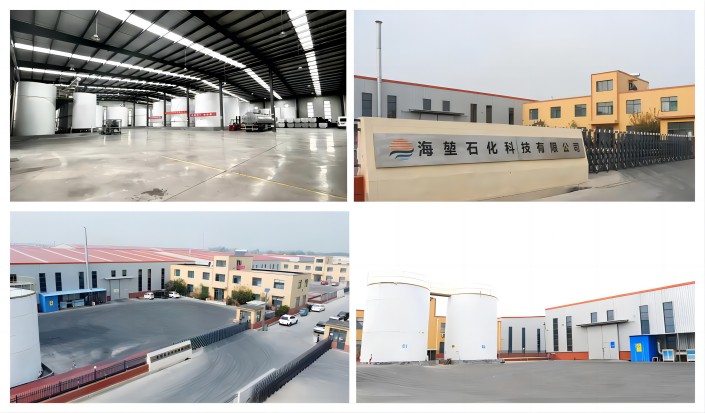
Employees at Working

Canned Oil Products
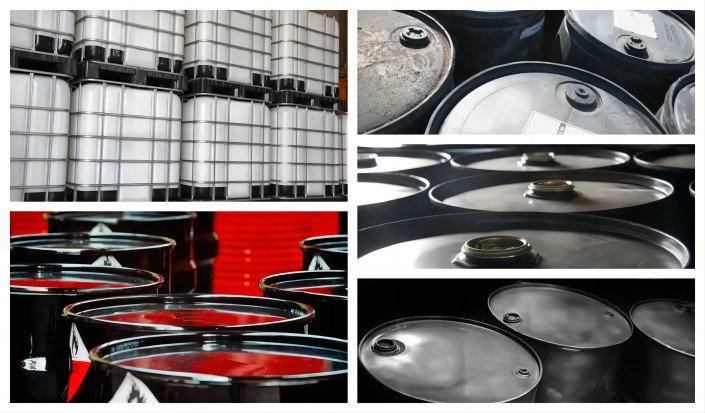
Transportation

Enterprise Culture
Our corporate culture places great emphasis on being "people - oriented" and focuses on the growth and development of employees. We offer personalized career planning, abundant training resources, and a favorable working environment. Our aim is to enable each employee to feel a sense of belonging within the company and achieve self - worth.
Customer Testimonials
"Haikun Petrochemical's efficiency and trustworthiness have solidified our business relationship. – UAE, Hamdan Al-Sheikh"