
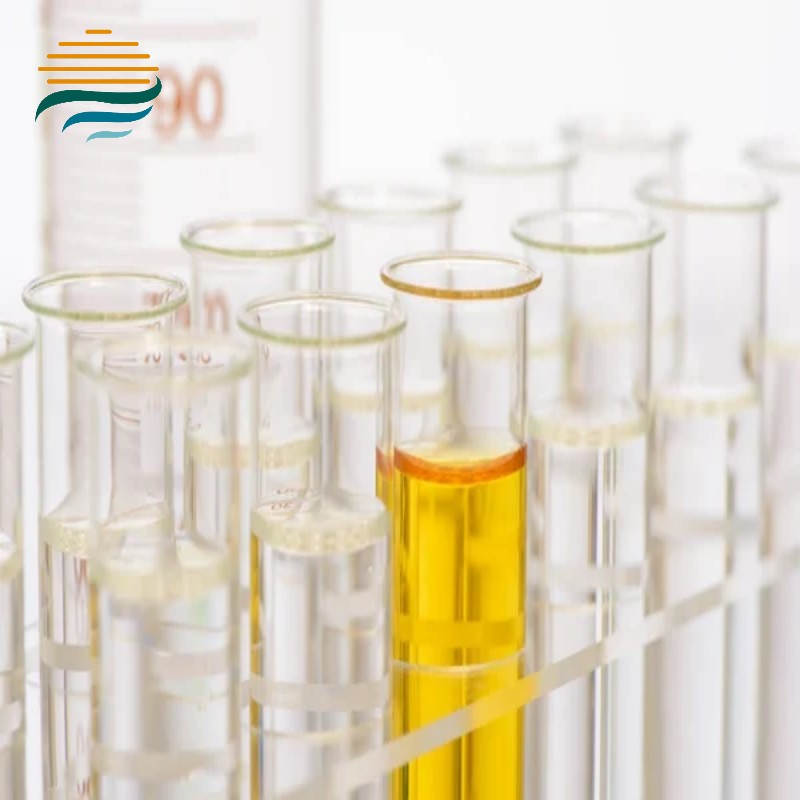
Eco-Friendly Insulating Oil for Wind Turbines
For electrical equipment such as transformers, transformer oil is a specially formulated oil typically derived from mineral or synthetic oils, with two vital attributes. One is its outstanding insulating properties, which enable it to act as an insulating barrier in electrical equipment, safely separating components in high-voltage conditions and avoiding current leakage. The other is its strong heat dissipation ability, which can promptly dissipate heat generated by equipment operation, maintain stable equipment performance, and ensure the reliable and efficient operation of the power system.
Product Details:Eco-Friendly Insulating Oil for Wind Turbines
When in use, this product boasts a sulfur content below 0.0005% and an aromatic hydrocarbon content under 3%. No hazardous gases are emitted during its operation, and if there is an accidental leakage, it can be partially broken down naturally—this prevents long-term contamination of soil and groundwater. Additionally, it has a high recycling and regeneration rate: after proper processing, it can be reapplied to medium and low-voltage distribution devices, greatly easing the solid waste burden from discarded insulating oil. It not only retains outstanding dielectric loss performance but also establishes a closed-loop green system of "production-use-recycling" for users, supporting the power grid in reaching carbon neutrality.
Parameter:
Sports Event | GB2536-11 I-40°C (general purpose) Quality indicators | Typical properties | Test Methods |
Minimum Cold Commissioning Temperature (LCSET)/°C | -40 | - | - |
Functional characteristics | |||
Pour Point/°C | ≯-50 | -55 | GB/T 3535 |
Kinematic viscosity (40°C)/(mm²/s) | ≯12 | 9.0 | GB/T 265 |
Kinematic viscosity (-40°C)/(mm²/s) | ≯1800 | 1500 | |
Water content/(mg/kg) | ≯30 | 19 | GB/T 7600 |
Breakdown voltage/kV | ≮30 | 66 | GB/T 507 |
Density (20°C)/(kg/m³) | ≯895 | 886.0 | SH/T 0604 |
Dielectric loss factor (90°C) | ≯0.005 | 0.0008 | GB/T 5654 |
Refining/stabilizing properties | |||
exterior condition | clear and transparent | clear and transparent | visual assessment |
Acid value (in KOH)/(mg/g) | ≯0.01 | <0.01 | NB/SH/T 0836 |
Water-soluble acids or bases | not have | not have | GB/T 259 |
Interfacial tension/(mN/m) | ≮40 | 46 | GB/T 6541 |
corrosive sulfur | non-corrosive | non-corrosive | SH/T0804 |
Content of antioxidant (mass fraction)/% | 0.08~0.40 | 0.30 | NB/SH/T0802 |
2-Furfural content/(mg/kg) | ≯0.1 | <0.05 | NB/SH/T0812 |
Operational characteristics | |||
Oxidation stability (120°C) | - | - | NB/SH/T 0811 |
Test time: 500h | - | - | |
--Total acid value (in KOH)/(mg/g) | ≯1.2 | 0.18 | |
--Oil sludge (mass fraction)/% | ≯0.8 | 0.03 | |
--Dielectric loss factor (90°C) | ≯0.500 | 0.055 | GB/T 5654 |
HSE Characteristics | |||
Flash point (closed)/°C | ≮135 | 142 | GB/T 261 |
PCA content (mass fraction)/% | ≯3 | <3 | NB/SH/T 0838 |
Polychlorinated biphenyl (PCB) content/(mg/kg) | undetectable | not detected | SH/T 0803 |
1. Environmental Friendliness of Transformer Oil
Environmental regulations: A variety of countries and regions have implemented strict regulations governing the use, storage, and disposal of transformer oil, encouraging the industry to adopt more environmentally conscious practices. For example, the REACH regulations established by the European Union require comprehensive safety assessments and chemical management to protect both human health and the environment.
Standard certification: Employing transformer oil that adheres to environmental standards can enhance a company's reputation for social responsibility and strengthen its market competitiveness. Furthermore, many industry standards, including IEEE and IEC, are promoting the use of more sustainable materials and technologies.
2. Applicable Industry
Wind Turbines: In the inverters and transformers of wind turbines, transformer oil is used to provide insulation and cooling, ensuring equipment stability during changing wind conditions.
Solar inverters: Transformer oil serves as a cooling medium in solar inverters, helping to maintain suitable operating temperatures and enhance energy conversion efficiency.
Reactors: In various chemical reactors, transformer oil functions as both a cooling and lubricating medium, assisting in temperature management and minimizing equipment wear.
Pumps and Compressors: In chemical pumps and compressors, transformer oil is utilized as a lubricant and coolant, promoting the efficient functioning of the equipment.
Own Factory
Haikun, with a well - equipped laboratory, conducts reliable product testing.

Employees at Working
Laboratory staff at Haikun are highly professional in industrial oil trace element analysis. Their efforts guarantee product quality.

Canned Oil Products
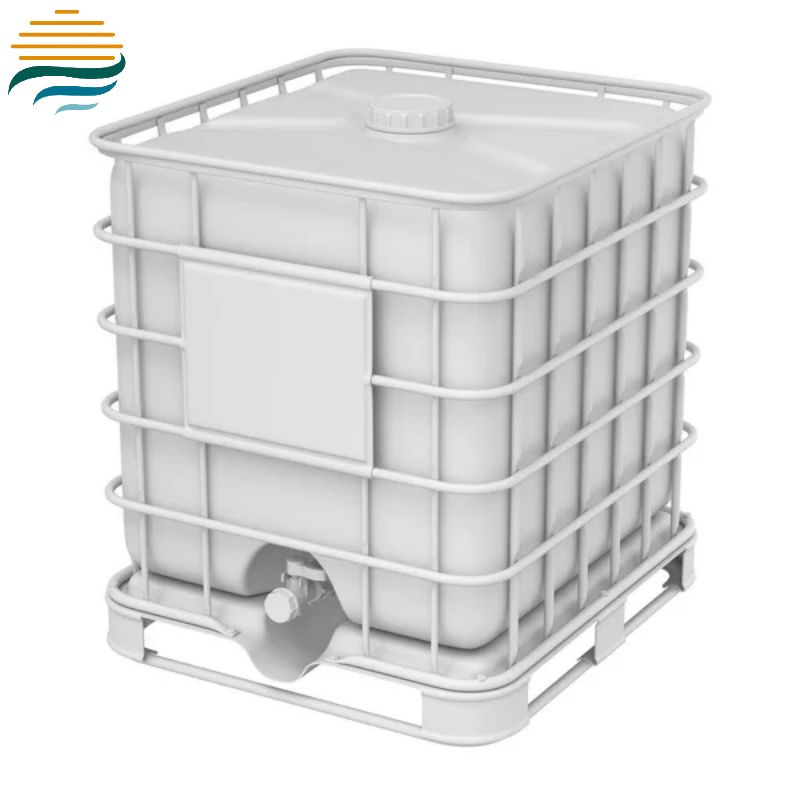
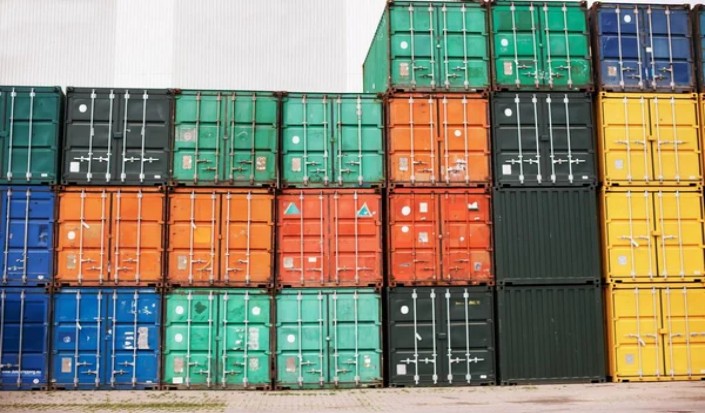
Haikun Petrochemical Technology Co., Ltd. is proficient in packing for international sea freight. We use 200L iron containers and 20000L flexitanks, guaranteeing secure packaging during transit.

Transportation
Our company, Haikun, has mastered the art of sea freight. We ship transformer - related products to South America, Africa, and Russia.
Enterprise Culture
We firmly believe that details determine the success or failure of our work. We concentrate on every detail and strive for excellence. This consistent pursuit of details has made our products and services win widespread praise from customers.
Customer Testimonials
Transformer oil from Haikun is of great quality. They take customer needs seriously and have reliable products. The parameters match, and the assay is professional. The sales service was excellent. - Europe, Gray Olivia

In our production workflow, continuous innovation drives us to bring in advanced clean production techniques, all to minimize energy consumption and greenhouse gas emissions. For every ton of product manufactured, when compared to conventional mineral oil extraction processes, we achieve a carbon emission reduction of up to 800kg, helping to alleviate global warming. Additionally, we’ve developed a comprehensive "Old Oil Recovery Program," through which we’ve successfully collected 200 tons of waste oil. This oil undergoes scientific processing to be transformed into biofuels, enabling resource recycling. Currently, the recycling rate is an impressive 92%, and we’re making steady progress toward the 2026 goal of 100% recycling.