
Low-Temp Insulating Oil for Cold Regions
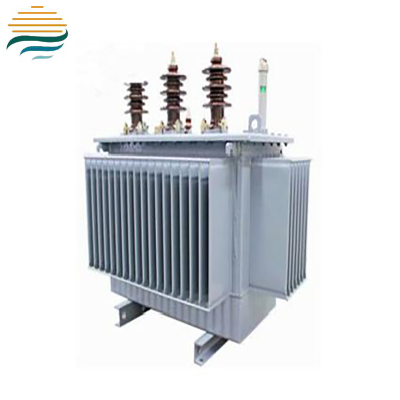
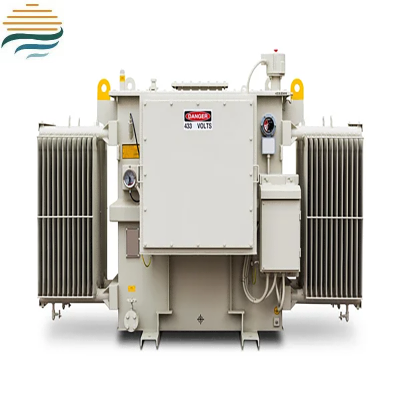
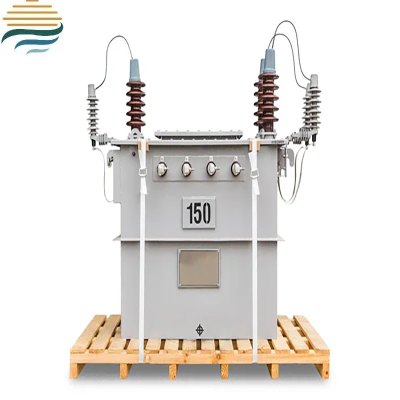
Transformer oil, a special oil for electrical equipment such as transformers, is commonly made from mineral or synthetic oils and has two important properties. Firstly, it shows excellent insulating properties, working as an insulating barrier in electrical equipment to ensure safe isolation of components in high-voltage environments and stop current leakage. Secondly, its good heat dissipation capability can timely carry off the heat produced during equipment operation, keep the equipment running stably, and ensure the power system operates reliably and efficiently.
Product Details:Low-Temp Insulating Oil for Cold Regions
In the course of its application, this product has a sulfur content of less than 0.0005% and an aromatic hydrocarbon content of below 3%. During operation, no toxic gases are released, and in the event of accidental leakage, it can undergo partial degradation in the natural environment, avoiding long-term pollution to soil and groundwater. At the same time, it possesses a high recycling rate; after treatment, it can be reused in medium and low-voltage power distribution equipment, which significantly reduces the pressure from solid waste generated by waste insulating oil. It maintains excellent dielectric loss performance while creating a "production-use-recycling" closed-loop green system for users, facilitating the power grid’s carbon neutrality objectives.
Parameter:
Sports Event | GB2536-11 I-40°C (general purpose) Quality indicators | Typical properties | Test Methods |
Minimum Cold Commissioning Temperature (LCSET)/°C | -40 | - | - |
Functional characteristics | |||
Pour Point/°C | ≯-50 | -55 | GB/T 3535 |
Kinematic viscosity (40°C)/(mm²/s) | ≯12 | 9.0 | GB/T 265 |
Kinematic viscosity (-40°C)/(mm²/s) | ≯1800 | 1500 | |
Water content/(mg/kg) | ≯30 | 19 | GB/T 7600 |
Breakdown voltage/kV | ≮30 | 66 | GB/T 507 |
Density (20°C)/(kg/m³) | ≯895 | 886.0 | SH/T 0604 |
Dielectric loss factor (90°C) | ≯0.005 | 0.0008 | GB/T 5654 |
Refining/stabilizing properties | |||
exterior condition | clear and transparent | clear and transparent | visual assessment |
Acid value (in KOH)/(mg/g) | ≯0.01 | <0.01 | NB/SH/T 0836 |
Water-soluble acids or bases | not have | not have | GB/T 259 |
Interfacial tension/(mN/m) | ≮40 | 46 | GB/T 6541 |
corrosive sulfur | non-corrosive | non-corrosive | SH/T0804 |
Content of antioxidant (mass fraction)/% | 0.08~0.40 | 0.30 | NB/SH/T0802 |
2-Furfural content/(mg/kg) | ≯0.1 | <0.05 | NB/SH/T0812 |
Operational characteristics | |||
Oxidation stability (120°C) | - | - | NB/SH/T 0811 |
Test time: 500h | - | - | |
--Total acid value (in KOH)/(mg/g) | ≯1.2 | 0.18 | |
--Oil sludge (mass fraction)/% | ≯0.8 | 0.03 | |
--Dielectric loss factor (90°C) | ≯0.500 | 0.055 | GB/T 5654 |
HSE Characteristics | |||
Flash point (closed)/°C | ≮135 | 142 | GB/T 261 |
PCA content (mass fraction)/% | ≯3 | <3 | NB/SH/T 0838 |
Polychlorinated biphenyl (PCB) content/(mg/kg) | undetectable | not detected | SH/T 0803 |
1. Environmental Friendliness of Transformer Oil
Environmental regulations: Many regions and countries have established rigorous environmental regulations concerning the use, storage, and disposal of transformer oil, pushing the industry towards greener alternatives. A notable example is the European Union's REACH regulations, which require safety evaluations and management of chemicals to ensure protection for human health and the environment.
Standard certification: The adoption of transformer oil that meets environmental criteria can improve a company's corporate social responsibility image and increase its competitiveness in the market. Moreover, various industry standards, such as those from IEEE and IEC, are encouraging the implementation of more environmentally friendly materials and technologies.
2. Applicable Industry
Power supply systems: In large building projects, transformer oils are used in power distribution systems to ensure the electrical safety of the building.
High-frequency equipment: In high-frequency and high-power electronic equipment, transformer oils are used to insulate and cool the equipment, ensuring stable performance and reducing the risk of thermal failure.
Laboratory research: In electrical engineering research and development, transformer oils are used to test the insulation and thermal management of equipment and to help develop new electrical equipment and materials.
Own Factory
The company, Haikun, offers a wide range of lubricants for industries.

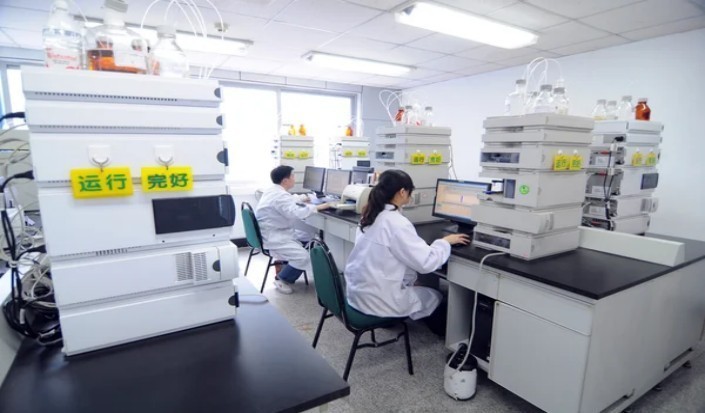
Employees at Working
At Haikun, employees work with enthusiasm in the industrial oil business. Their dedication and cooperation drive the company forward.
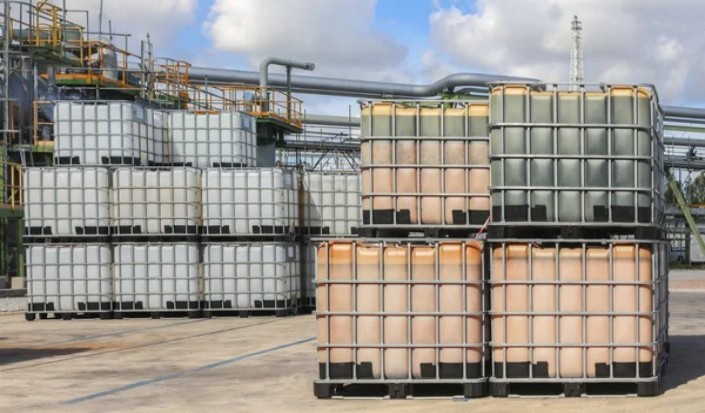
Canned Oil Products
With years of packing experience, Haikun Petrochemical carefully packages transformer - related items in 200L steel barrels and 20000L liquid bags for smooth sea - freight operations.
Transportation
Haikun Petrochemical Technology Co., Ltd. has a mature sea - freight network. We ship transformer - related products to various countries, including those in South America and Africa.

Enterprise Culture
We are firmly of the opinion that details decide the outcome of success or failure. In our work, we pay heed to every detail and strive for the highest standard. This constant pursuit of details has enabled our products and services to be highly praised by customers.
Customer Testimonials
Haikun Petrochemical's industrial lubricants are outstanding. They listen to customers and ensure product quality. The parameters are on point, and the assay is reliable. The sales team was very helpful. - Southeast Asia, Wong Mei Ling

Throughout the production process, we keep innovating and adopting advanced clean manufacturing technologies, aiming to cut down energy use and greenhouse gas releases as much as we can. For each ton of product made, compared with traditional mineral oil extraction methods, we can reduce carbon emissions by up to 800kg—playing a part in easing global warming. What’s more, we’ve set up a thorough "Used Oil Recycling Scheme" and have already reclaimed 200 tons of waste oil. This oil is scientifically treated and turned into biofuels, making resource reuse a reality. At present, the recycling rate stands at a high 92%, and we’re steadily working toward our target of 100% recycling by 2026.