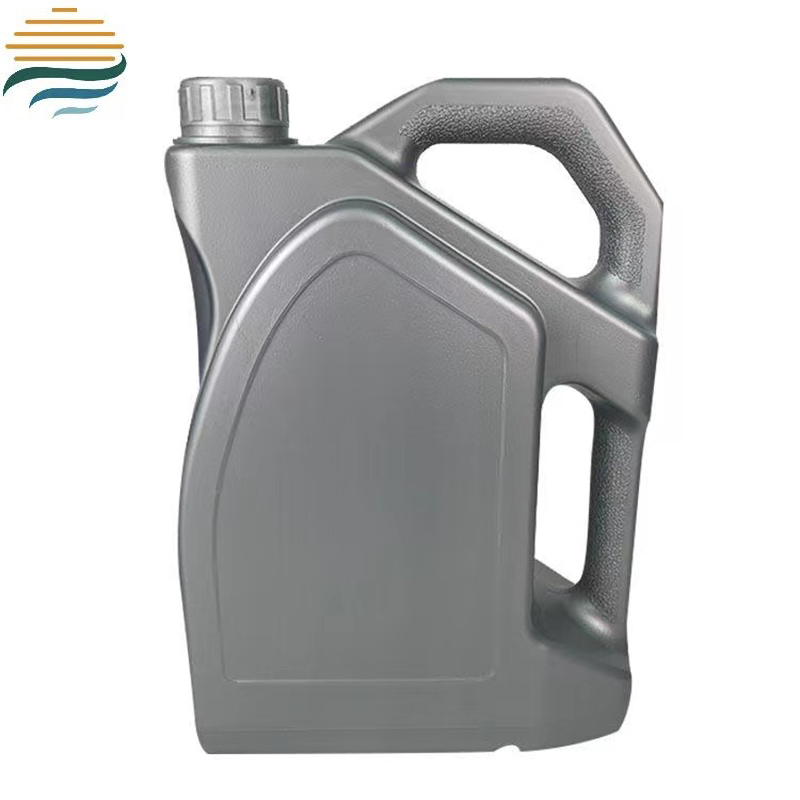
Hydraulic Oil For Heat Transfer Oil
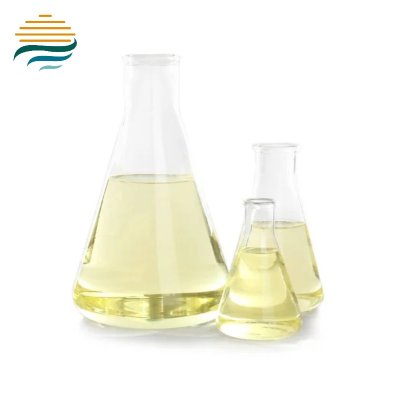
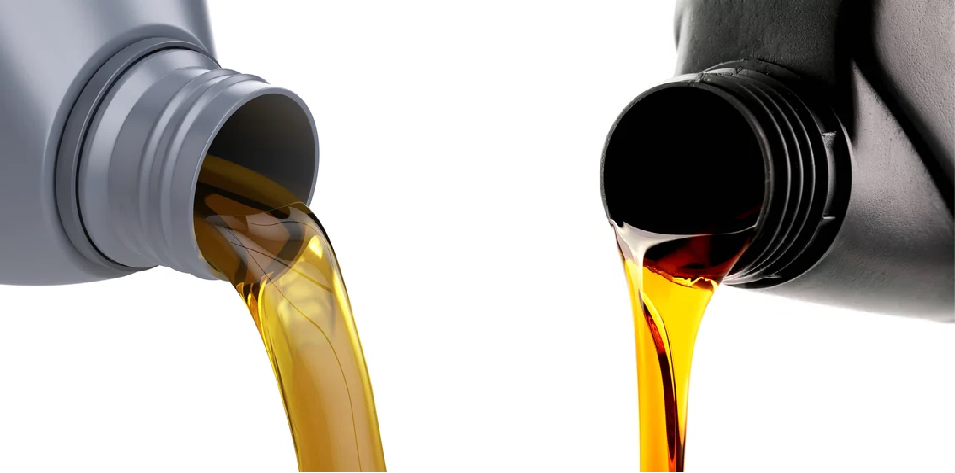
Thermally conductive oil, alternately referred to as heat transfer fluid or thermal fluid, functions as an organic heat transfer agent for indirect heat exchange. Comprising chemically stable compounds (hydrocarbons among them) refined through a proprietary process, it remains stable at elevated temperatures while boasting exceptional heat conductivity. Its primary purpose lies in serving as a conduit within heating systems, efficiently shuttling thermal energy from a source to targeted equipment or processes requiring heating.
Product Details:Hydraulic Oil For Heat Transfer Oil
Heat transfer oil boasts resilience against both thermal degradation and chemical oxidation, enabling it to sustain stable operation at elevated temperatures and within demanding work environments. Its minimal vapor pressure minimizes evaporation during heating, unlike water, which translates into energy savings and lower system maintenance costs. Additionally, its capacity to achieve high temperatures under reduced pressures, coupled with exceptional heat transfer efficiency and rapid heat dissipation rates, makes it a popular choice for a wide array of high-temperature heating applications.
PARAMETER:
Sports Event | Quality Indicators | Test Methods | |||
Assortment | L-QB280 | L-QB300 | L-QC320 | ||
Maximum operating temperature,℃ | 280 | 300 | 320 | SH/T0558 | |
Flash point(closed),°C | not less than | 100 | 100 | 100 | GB/T261 |
Flash point(open),°C | not less than | 180 | SH/T3536 | ||
Acid value mg koN/g | not greater than | 0.05 | 0.05 | 0.05 | GB/T4945 |
Copper sheet corrosion(100℃,3h),grade | not greater than | 1 | 1 | 1 | GB/T5096 |
Moisture,mg/kg | not greater than | 500 | 500 | 500 | GB/T11133 |
Pour point,°C | not exceeding | -9 | -9 | -9 | GB/T3535 |
1. Specifications:This product implements the GB23971-2009 standard.
2. Fields of application
(1) Chemical production: for heating air and gaseous fuels, and as solvents or diluents.
(2) Food processing: e.g. temperature control in deep fryers for deep frying doughnuts.
(3) Pharmaceutical industry: as a deodorizing agent for drug extracts.
(4) Metal heat treatment: auxiliary heating in the workpiece warming process.
(5) Plastic Processing: Auxiliary heating in calender molding machines and extruders.
(6) Textile printing and dyeing: temperature control during dyeing and printing.
(7) Other fields: such as the hydraulic system of vacuum pumps, the supercharger of steam turbines, aerospace field, electronic appliances.
3. Safety Precautions
(1) Oil Segregation: Ensure the new oil is not mixed with the old; drain the old oil thoroughly before introducing the new.
(2) Suitable Oil Selection: Carefully select a heat transfer oil that aligns with both your equipment's requirements and the operational environment.
(3) Adherence to Protocol: Adhere strictly to the prescribed operational procedures to ensure a safe working environment.
(4) Periodic Oil Changes: Replace the heat conduction oil on a regular basis, considering equipment usage and oil quality, to preserve system integrity and heat transfer effectiveness.
Own Factory
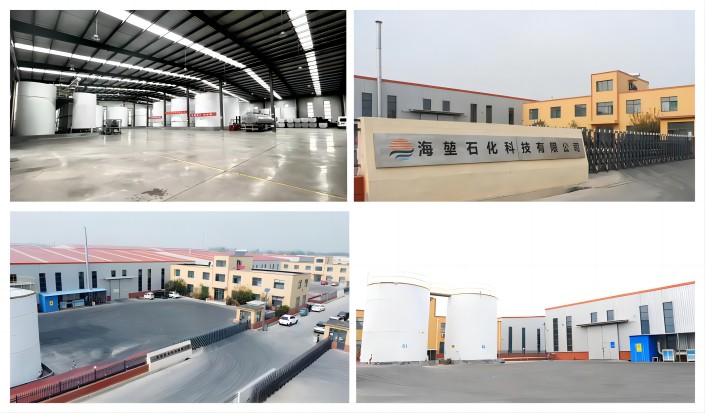
Employees at Working

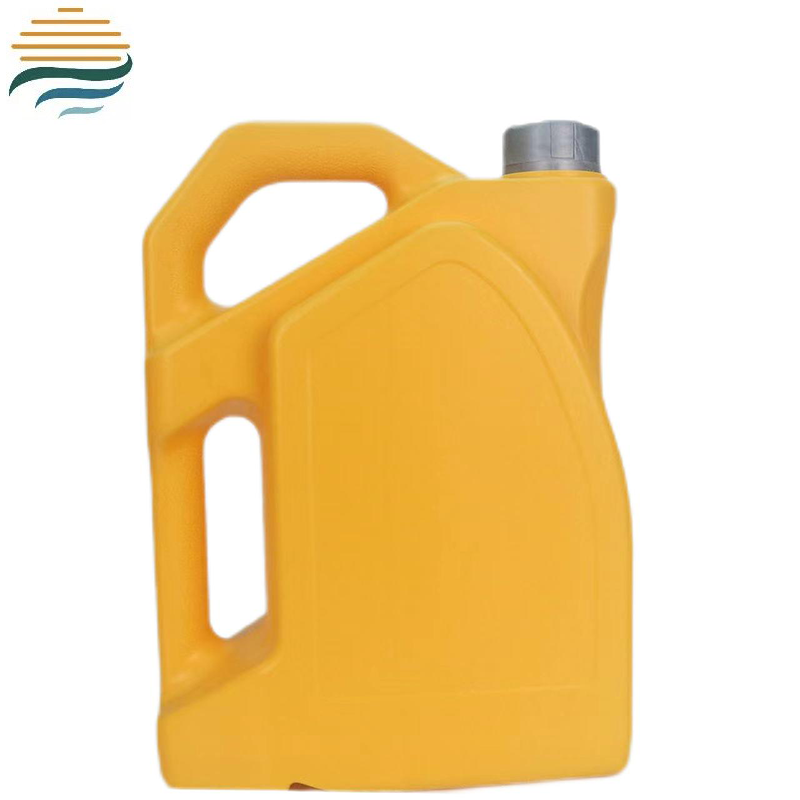
Canned Oil Products
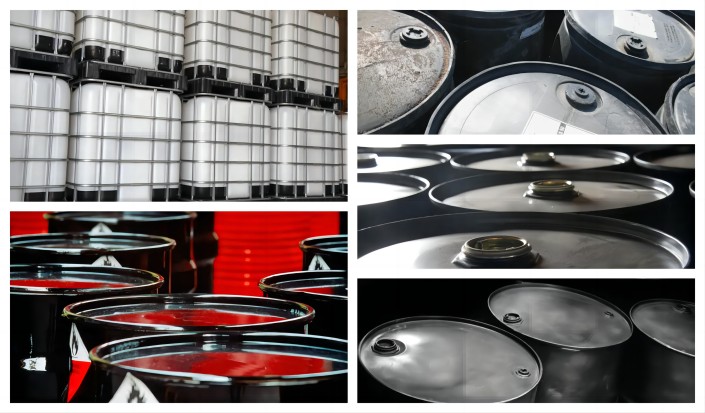
Transportation

SERVICE
Traditional offline channels
Attend international trade shows and industry events to meet face-to-face with potential customers and partners in the industry. Visit customers, prepare sufficient information and samples, show the company's strength and product advantages.
Ecological Priority Development
The chemical industry upholds the core concepts of ecological priority and green development, and places environmental protection at the forefront of development. Through continuous optimization of production processes, improvement of resource utilization efficiency and reduction of pollutant emissions, we are committed to building on protection and reshaping the green and sustainable social image of the chemical industry.
FAQ:
Q: How do you ascertain shipping expenses?
A: Shipping charges are meticulously calculated based on factors like cargo weight, volumetric measurements, mode of transportation, and the intended destination. We offer a spectrum of shipping alternatives—sea, air, and express—and will detail the costs associated with each for your consideration.
Q: What is the minimum purchase amount for free shipping?
A: The eligibility for free shipping hinges on various factors such as the order value, product classification, and the chosen shipping mode. Typically, larger orders or bulk purchases qualify for complimentary shipping. For precise details, please reach out to our sales representatives.
Q: What measures are in place if the goods sustain damage during transit?
A: To mitigate potential transportation hazards, we've procured comprehensive transportation insurance for all consignments.