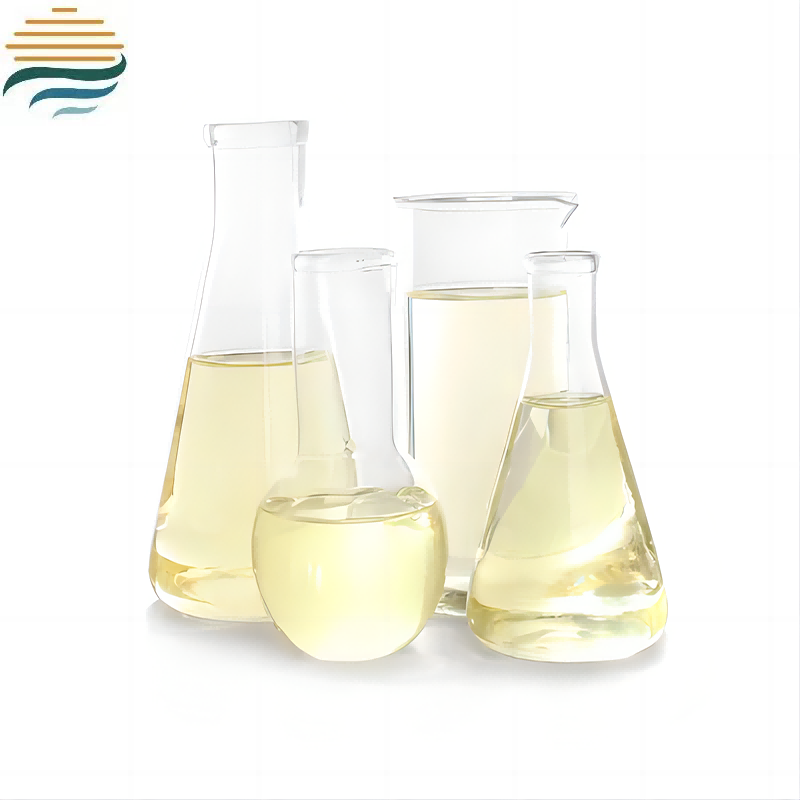
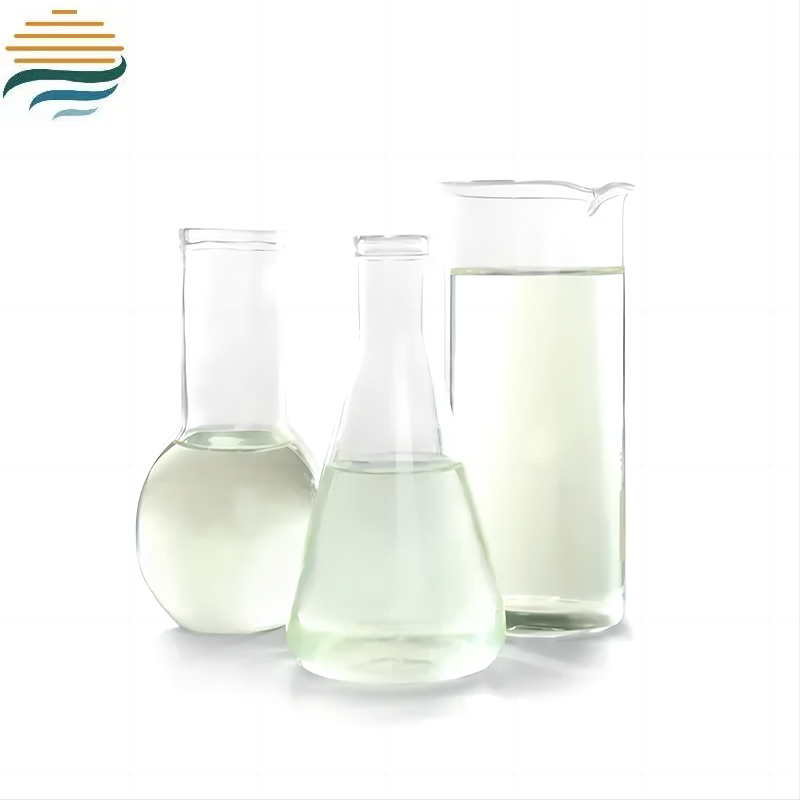
Fire-Resistant Transformer Oil for Enhanced Safety
Within electrical equipment, insulating oil experiences oxidation from heat and oxygen over prolonged durations in the presence of an electric field. Oils that are supplemented with antioxidants and metal passivators tend to have better oxidative stability. Typically, the dielectric loss of transformer oil at 90℃ should be less than 0.5%. This dielectric loss reflects the degree of deterioration in an AC electric field, commonly measured by the tangent of the dielectric loss angle (δ). Naphthenic oil is regarded as a superior material for electrical appliance oils due to its low pour point, effective lowtemperature fluidity, and commendable electrical and thermal properties.
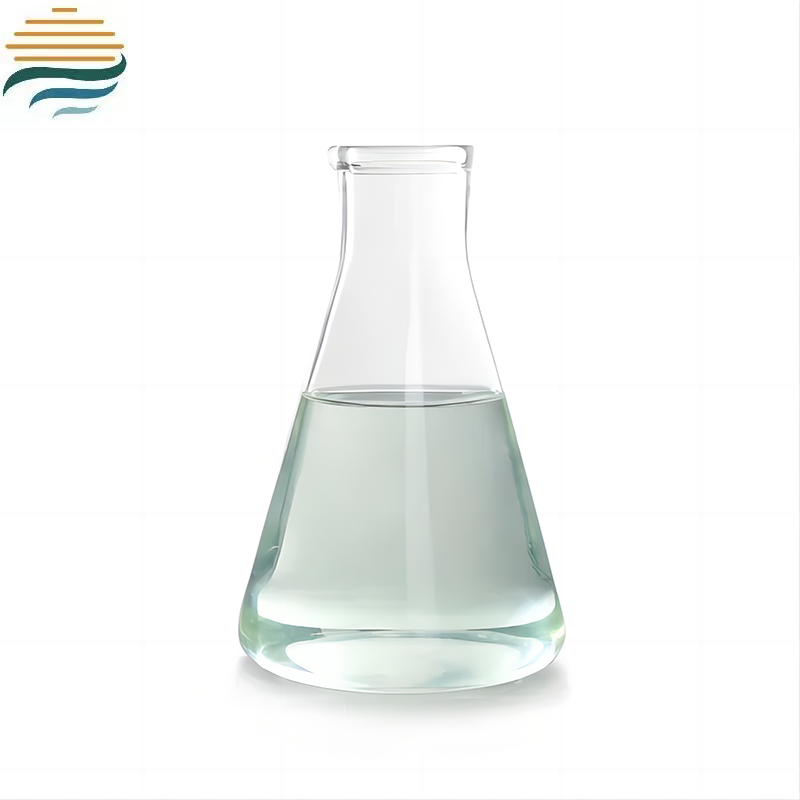
Product Details:Fire-Resistant Transformer Oil for Enhanced Safety
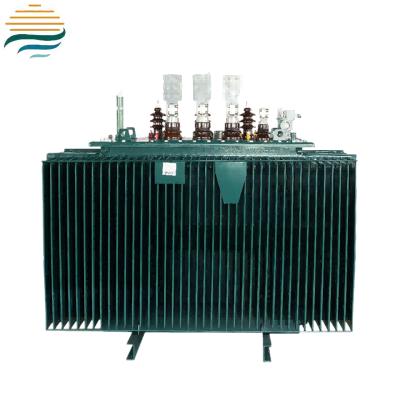
In general, insulating oil serves three primary functions: insulation, heat dissipation, and arc extinguishing. The reliability of electrical equipment such as transformers, reactors, oilfilled bushings, and oil switches largely relies on these fundamental properties of the insulating oil. Within transformers, reactors, and inductors, the insulating oil primarily provides insulation and cooling. Additionally, if an arc occurs in any of these devices, the oil also plays a crucial role in extinguishing the arc. In oilfilled casings, its main function is insulation, while in oil switches, it is essential for both extinguishing arcs and providing insulation.
Parameter:
Sports Event | GB2536-11 I-40°C (general purpose) Quality indicators | Typical properties | Test Methods |
Minimum Cold Commissioning Temperature (LCSET)/°C | -40 | - | - |
Functional characteristics | |||
Pour Point/°C | ≯-50 | -55 | GB/T 3535 |
Kinematic viscosity (40°C)/(mm²/s) | ≯12 | 9.0 | GB/T 265 |
Kinematic viscosity (-40°C)/(mm²/s) | ≯1800 | 1500 | |
Water content/(mg/kg) | ≯30 | 19 | GB/T 7600 |
Breakdown voltage/kV | ≮30 | 66 | GB/T 507 |
Density (20°C)/(kg/m³) | ≯895 | 886.0 | SH/T 0604 |
Dielectric loss factor (90°C) | ≯0.005 | 0.0008 | GB/T 5654 |
Refining/stabilizing properties | |||
exterior condition | clear and transparent | clear and transparent | visual assessment |
Acid value (in KOH)/(mg/g) | ≯0.01 | <0.01 | NB/SH/T 0836 |
Water-soluble acids or bases | not have | not have | GB/T 259 |
Interfacial tension/(mN/m) | ≮40 | 46 | GB/T 6541 |
corrosive sulfur | non-corrosive | non-corrosive | SH/T0804 |
Content of antioxidant (mass fraction)/% | 0.08~0.40 | 0.30 | NB/SH/T0802 |
2-Furfural content/(mg/kg) | ≯0.1 | <0.05 | NB/SH/T0812 |
Operational characteristics | |||
Oxidation stability (120°C) | - | - | NB/SH/T 0811 |
Test time: 500h | - | - | |
--Total acid value (in KOH)/(mg/g) | ≯1.2 | 0.18 | |
--Oil sludge (mass fraction)/% | ≯0.8 | 0.03 | |
--Dielectric loss factor (90°C) | ≯0.500 | 0.055 | GB/T 5654 |
HSE Characteristics | |||
Flash point (closed)/°C | ≮135 | 142 | GB/T 261 |
PCA content (mass fraction)/% | ≯3 | <3 | NB/SH/T 0838 |
Polychlorinated biphenyl (PCB) content/(mg/kg) | undetectable | not detected | SH/T 0803 |
1. Applicable Industry
High-voltage transformers: Transformer oil functions as a crucial insulating medium, effectively shielding against arcing and short circuits, while delivering reliable insulation at high voltage levels.
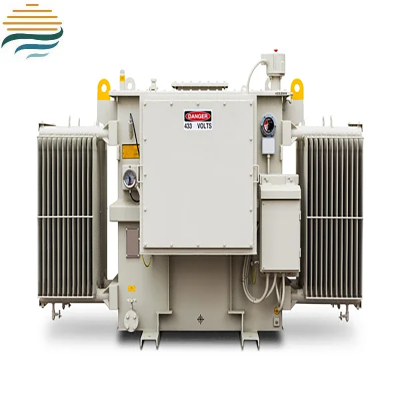
Distribution transformers: In low-voltage distribution systems, transformer oil is instrumental in heat dissipation, helping to maintain equipment within safe temperature ranges and ensuring a consistent power supply.
Generators: The use of transformer oils in generators provides insulation and cooling, which helps reduce internal temperatures, thereby enhancing operational efficiency and extending equipment life.
Steam Turbines: In the electrical systems associated with steam turbines, transformer oil ensures insulation, facilitating safe operation of the equipment in high-temperature and high-pressure environments.
2. Environmental Friendliness of Transformer Oil
Biodegradability: Most transformer oils in use today are petroleum-based and show limited biodegradability. They can take years, sometimes decades, to fully decompose, leading to significant long-term contamination of both soil and water resources. However, newer alternatives like vegetable-based transformer oils (e.g., soybean and canola oils) are much more biodegradable, usually breaking down within a few months. Similarly, synthetic oils, particularly ester-based ones, are effective in terms of environmental impact and can also be broken down by natural processes in a short period.
Own Factory
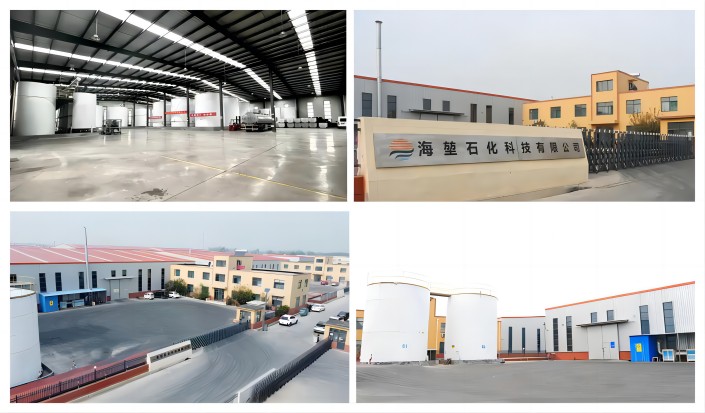
Employees at Working

Canned Oil Products
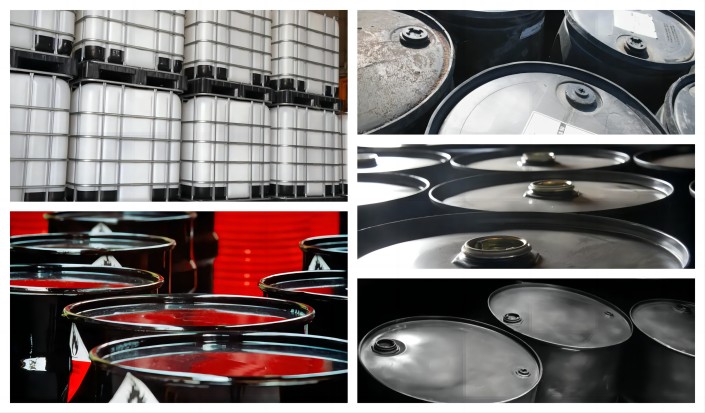
Transportation

Enterprise Culture
Innovation is embedded in the fabric of our enterprise, serving as a vital force that invigorates our endeavors. We motivate our employees to transcend their comfort zones, adopt a forward-thinking approach to market analysis, and transform abstract ideas into tangible achievements, thereby harnessing each innovation as a potent impetus for our enterprise's accelerated growth.
Customer Testimonials
"Our collaboration with Haikun Petrochemical has been seamless. Their integrity and efficiency make them a trusted partner. – India, Rajesh Kumar"